By Raelene Mercer, Creative Director, ShipMoney
We made it to Everest Base Camp. I want to start there, because the rest of this story has a few twists, and I don't want you worrying.
Stuart and I took on this trek to raise money for Sailors' Society. Seafarers spend months away from the people they love, often in tough conditions, and Sailors' Society is there for them when it matters. We wanted to do something hard for people who do hard things every single day. I just didn't realise quite how hard it would be.
Setting off
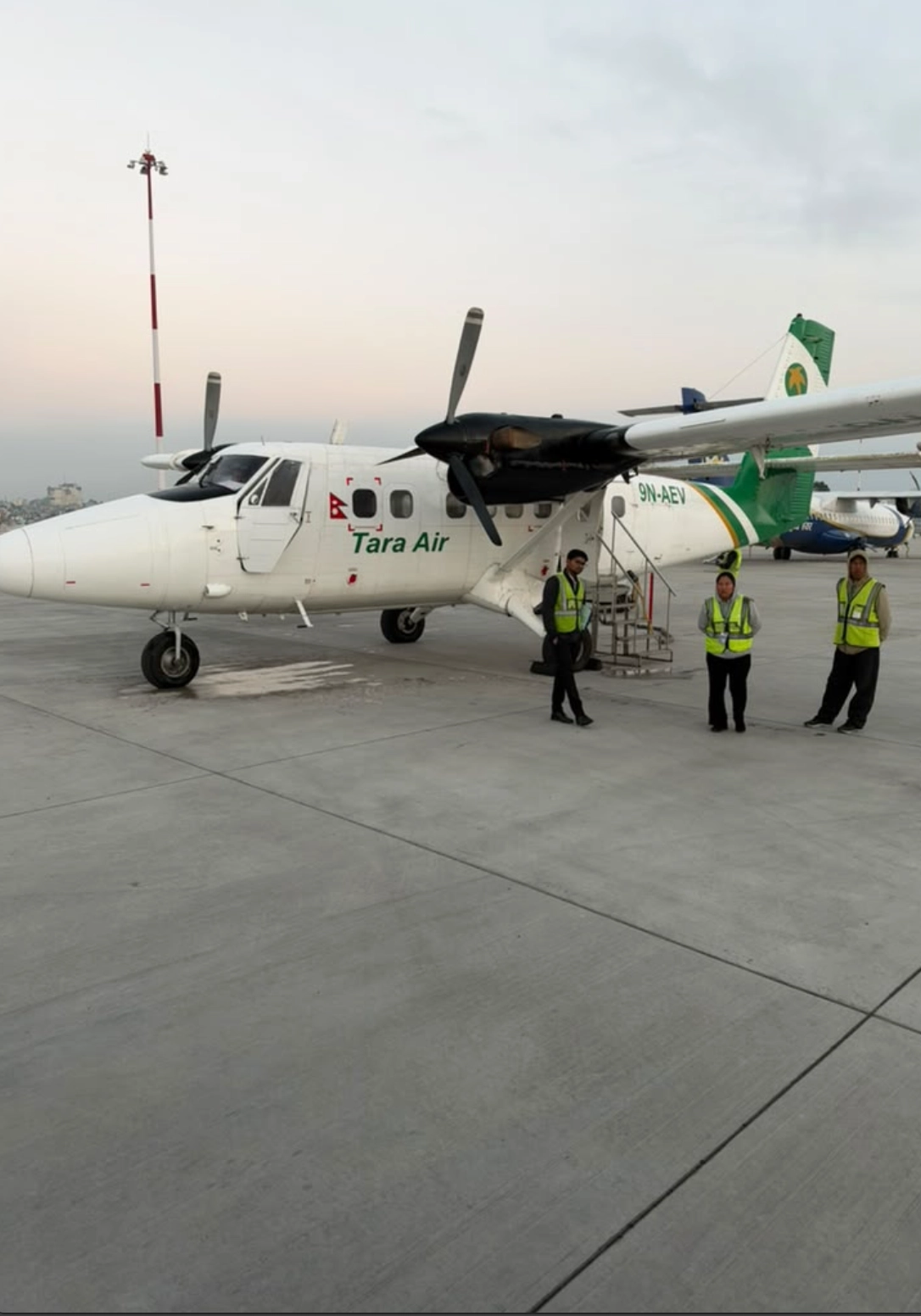
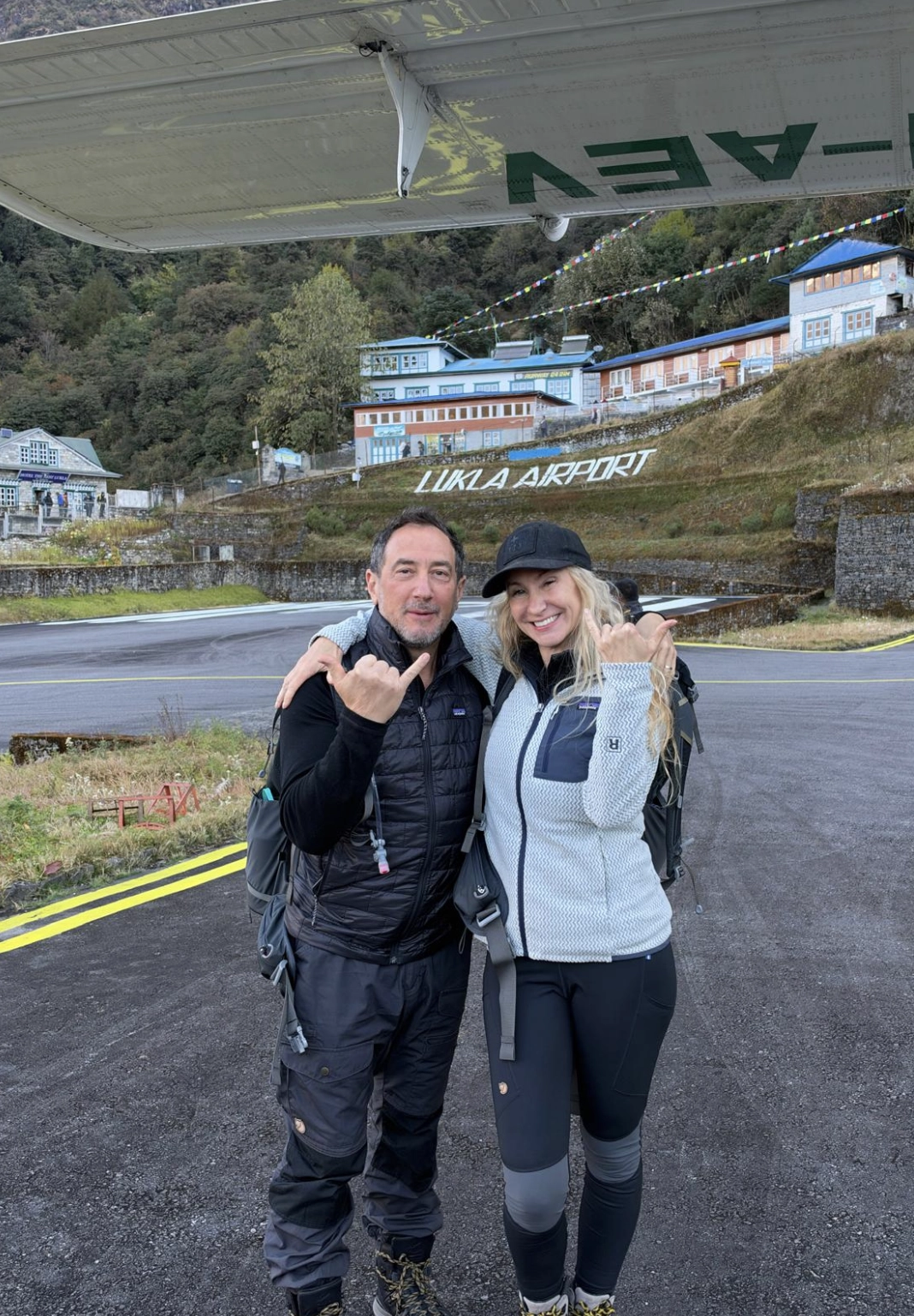
The adventure began before we'd taken a single step. To start the trek you fly from Kathmandu into Lukla, often called the most dangerous airport in the world. The runway is short and sits in a valley surrounded by mountains. It was exciting, and I took comfort in the fact that the pilots are experts who fly it several times a day.
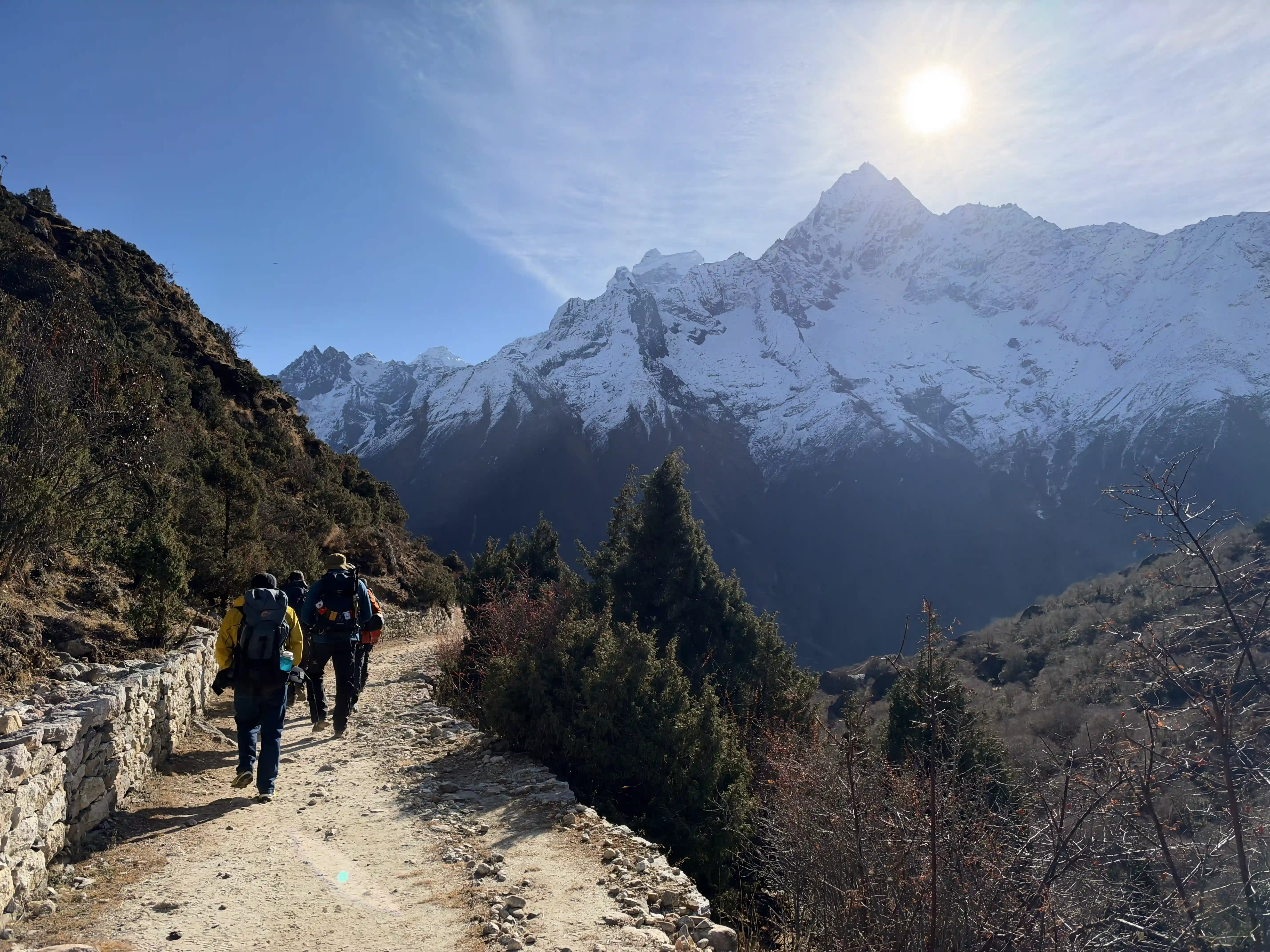
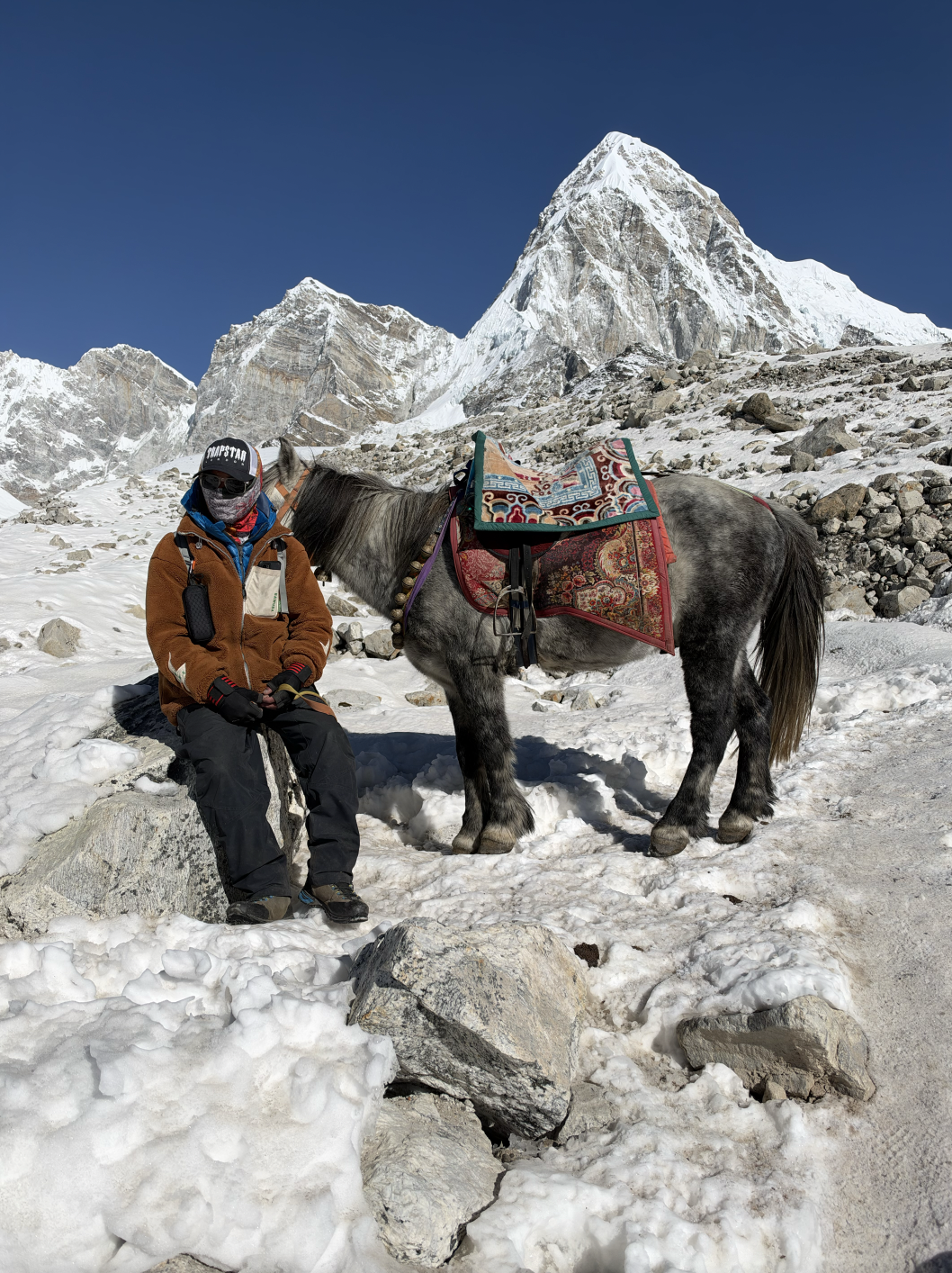
From there we walked through village after village, and the hours flew by. Horses, Yaks and Naks passed us carrying supplies up the mountain. The views were spectacular. We arrived during Diwali, so there was music in the air, and the people of Nepal were some of the friendliest and kindest I've ever met.
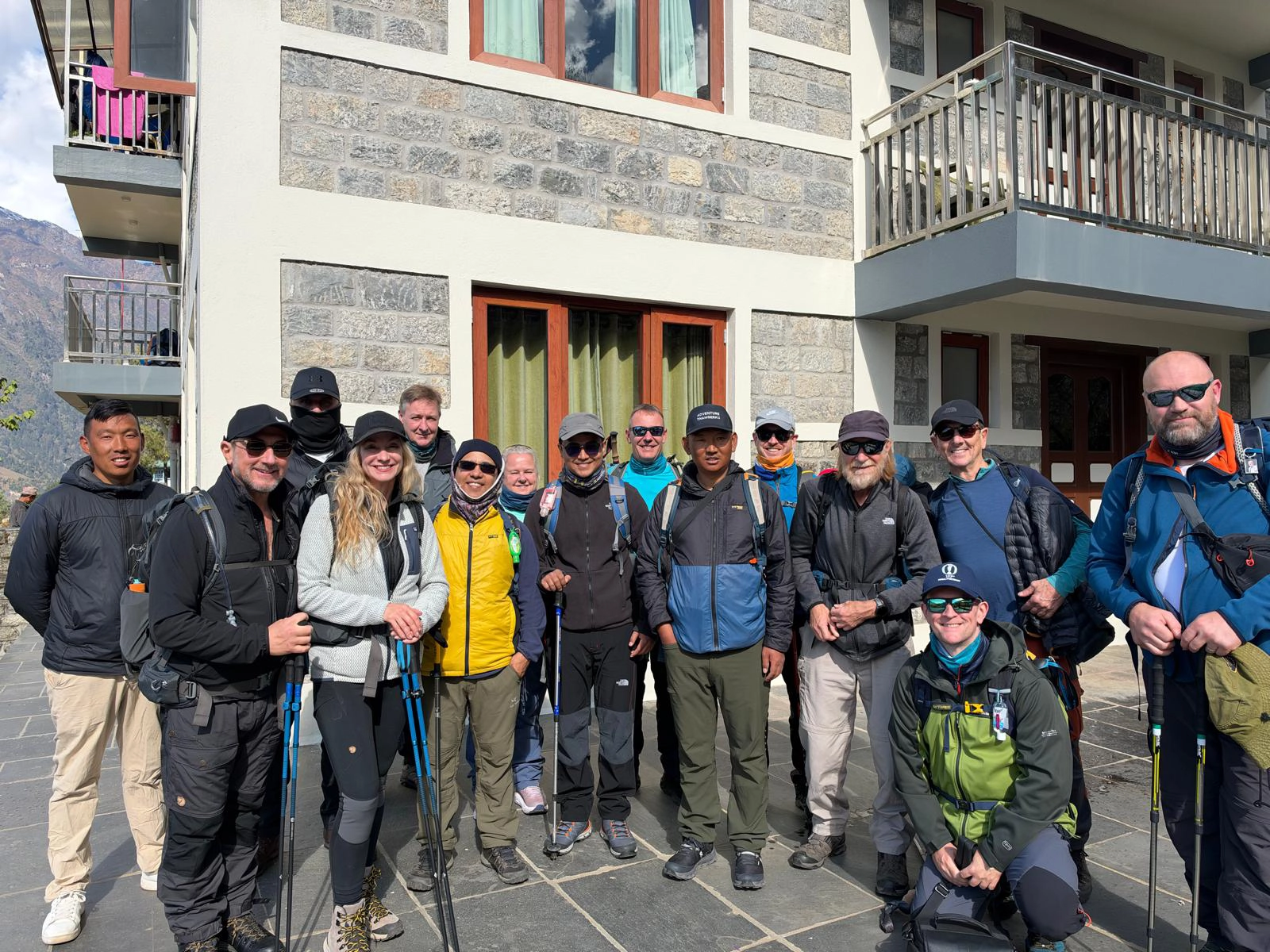
There were eleven of us in the team, and we quickly found our rhythm. Stuart walks slowly to make sure he doesn't trip. I walk slowly on steps and over the scary suspension bridges. Together, we support each other. That became the theme of the whole trip.
Up to Namche Bazaar
Day two was our first real taste of what we'd signed up for. It was minus 7 when we set off. We crossed five suspension bridges, each one swaying high above the river, and climbed for around six hours. By the end of the day we'd done 26,000 steps and gained about 800 metres.
Our guide warned us that we might feel sick when we arrived, and told us to drink four litres of water, rest, and take it slowly. These are not casual walks. This is high trekking.
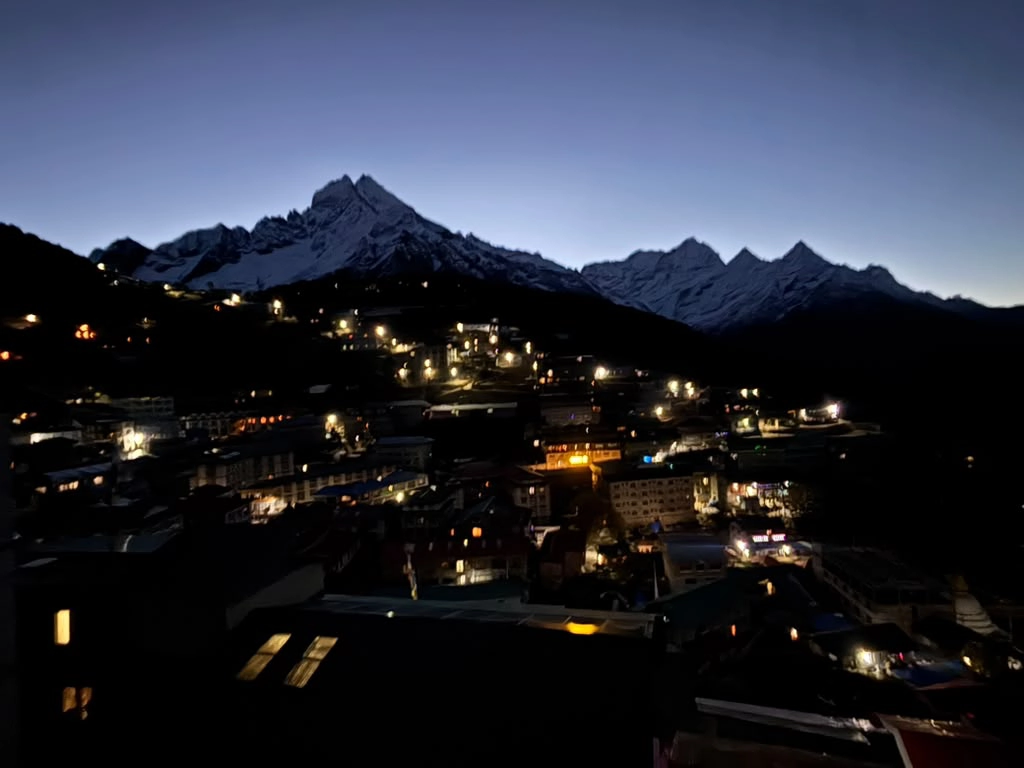
Namche Bazaar is a beautiful town stacked up the side of the mountain. I woke at 4am to see it lit up for Diwali beneath the snowy peaks, and it took my breath away.
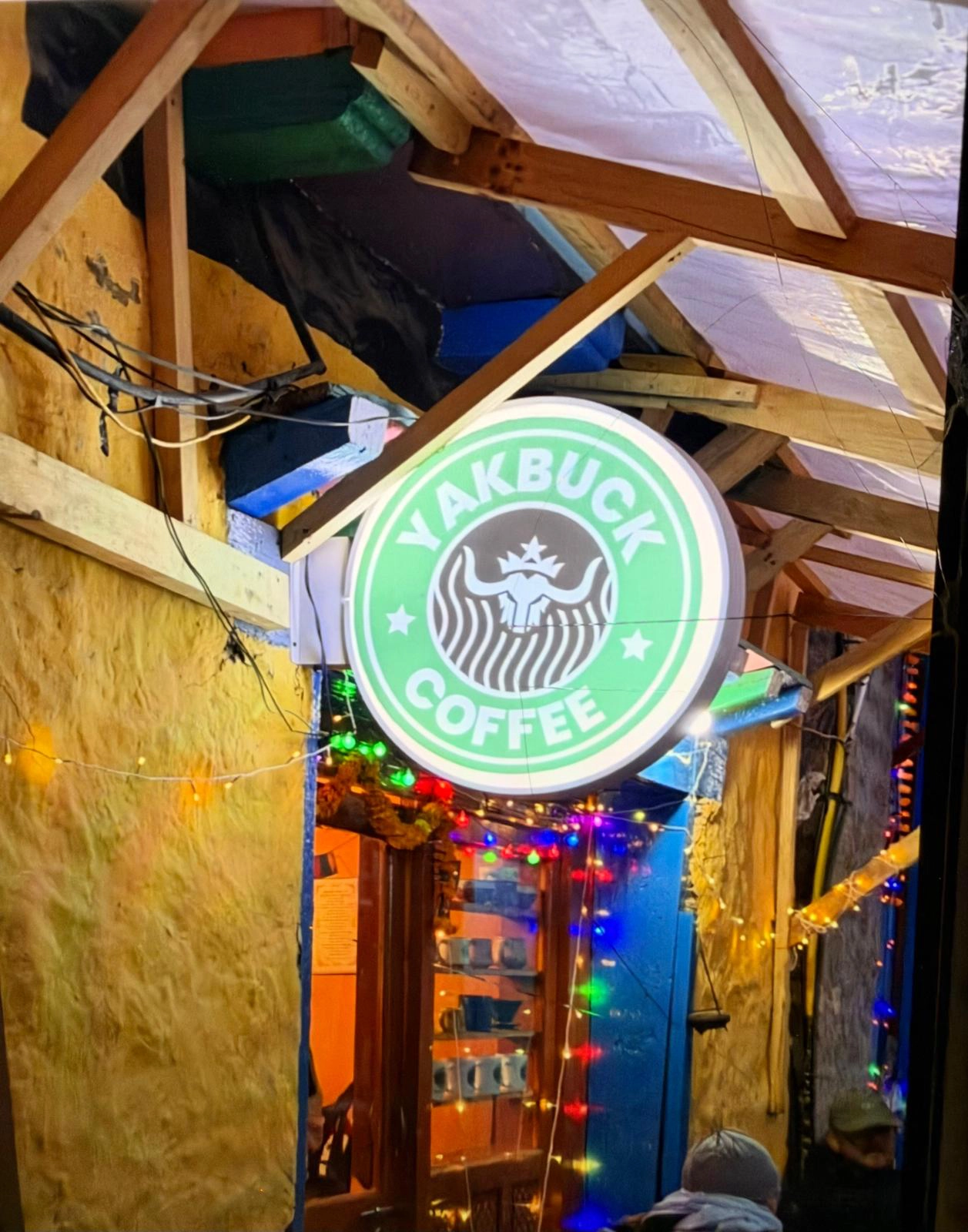
We also spotted a little café called Yakbuck Coffee, complete with fairy lights. We promised ourselves a cup on the way back down.
Giving something back
On our acclimatisation day we visited Sagarmatha Next, a Centre working to tackle the waste left behind on the mountain. Every trekker is asked to carry a bag of around a kilo of rubbish back down to Lukla, and we did. Outside stands a giant hand made of recycled material, holding up a pile of plastic bottles. It's a powerful reminder that this place needs looking after.
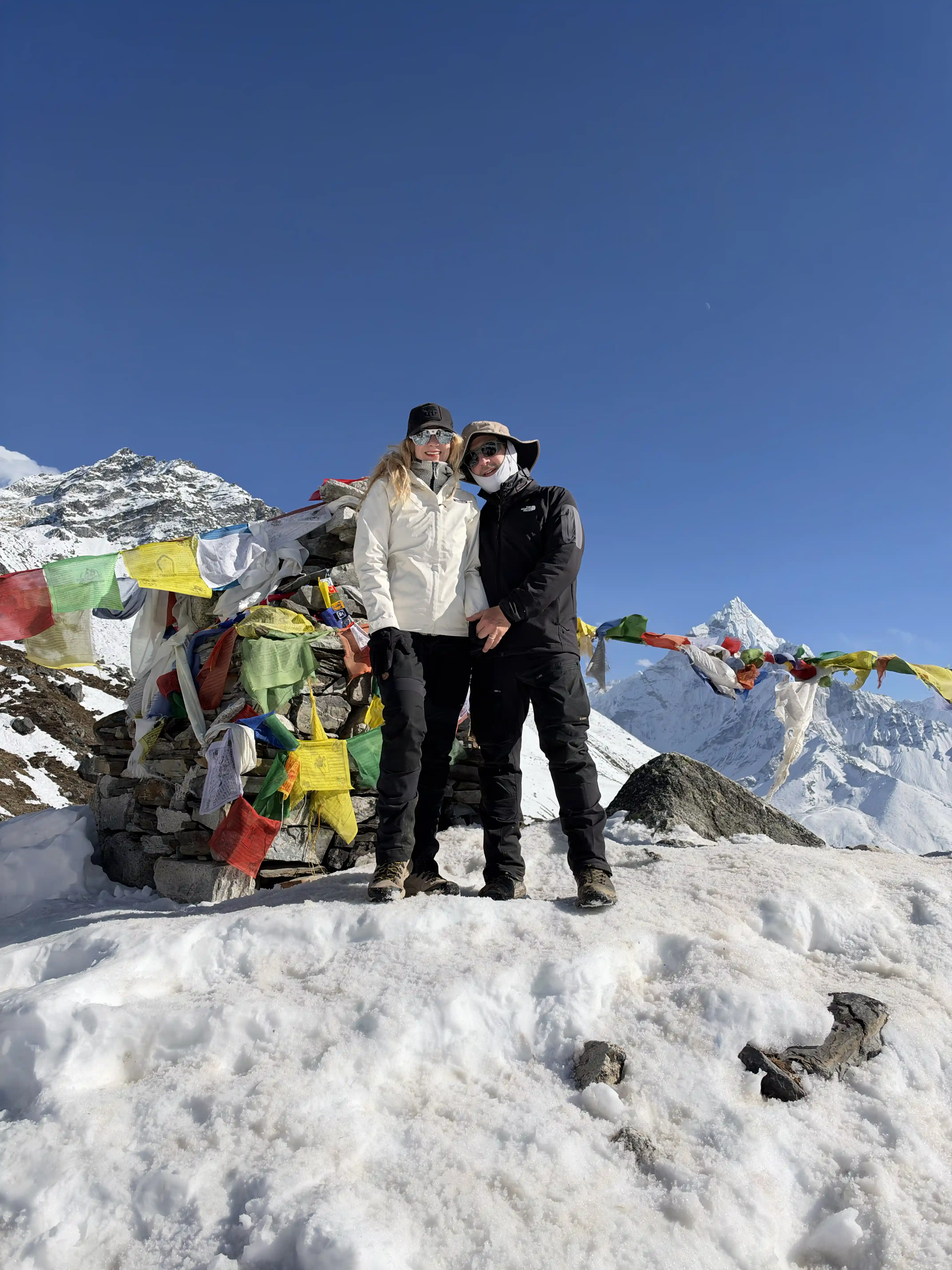
A few days later, on a ridge high above the valley, I added a stone to a cairn. Trekkers add a stone as they pass, so each one is built by many hands. I thought about everyone who had supported us, each donation adding to the pile.
Those steps
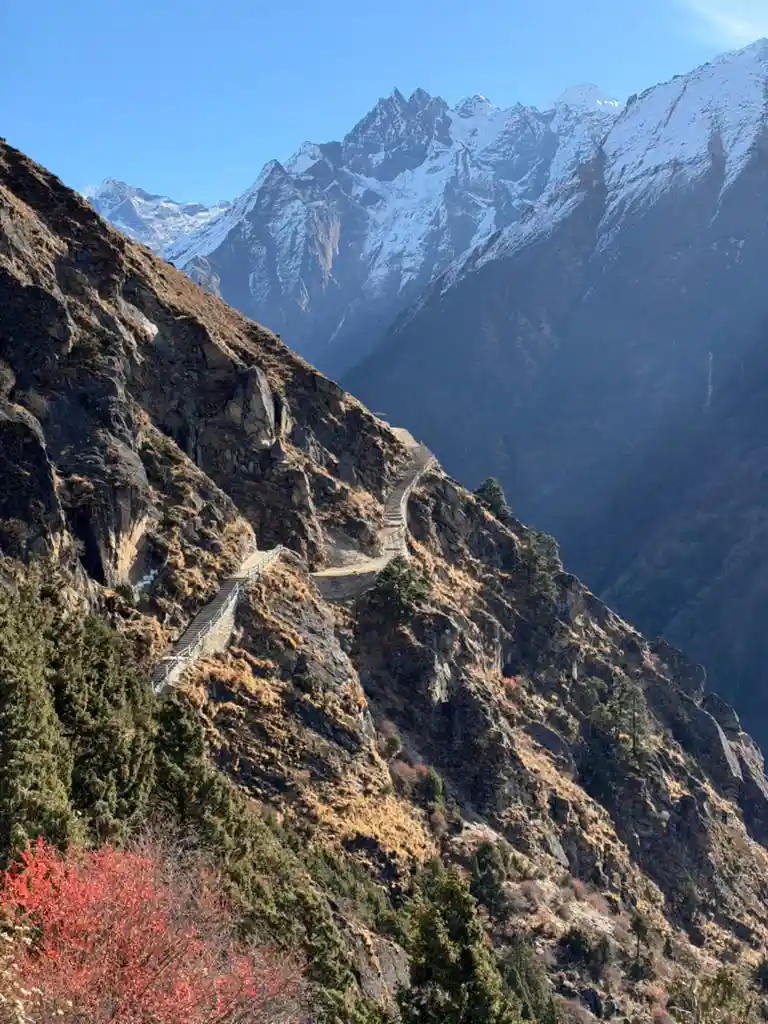
I need to tell you about the steps. Hundreds of stone steps, cut into the cliffs, one after another, for hours and days. Some paths were so narrow you didn't look down for long. One afternoon we saw a herd of around ten mountain goats, picking their way across slopes that made our efforts look rather clumsy.
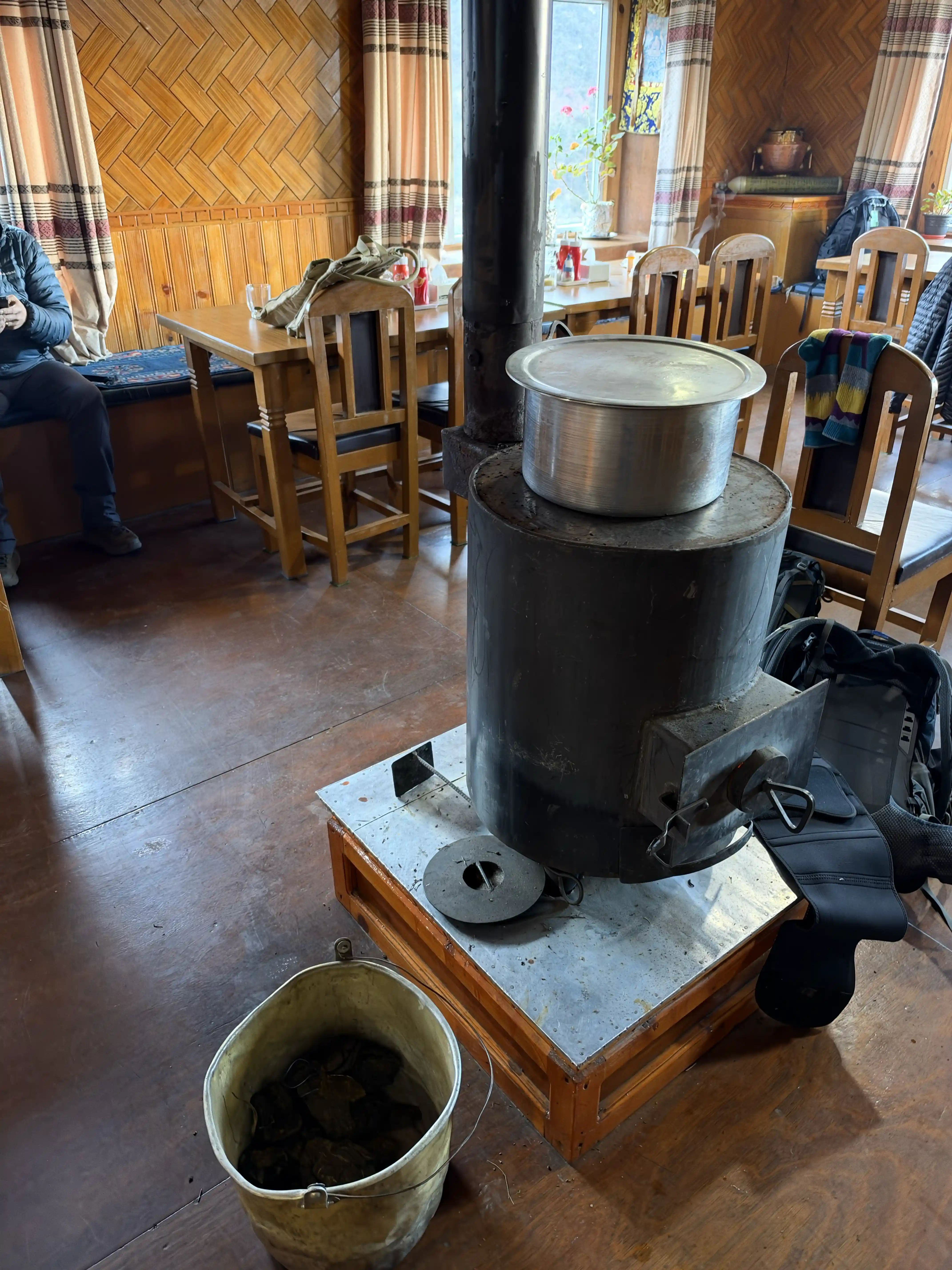
And then there were the lodges. None of the tea houses are heated. As soon as the sun stops hitting the building, the cold sets in, and you have three choices. You can sit in the main room around the single stove, fueled by yak dung. You can try a shower that may or may not warm up. Or you can climb into your sleeping bag with a hot water bottle, wearing your thermals, joggers, thick socks, winter jacket and woolly hat.
A hiker told me about nicer lodges nearby with heated blankets, toilet paper and even a hand towel. Boy, was I jealous. We were really roughing it, and it only got colder as we went higher.
A warm café at 4,410 metres
In Dingboche, at 4,410 metres, we had a "rest day". That turned out to mean a three hour hike higher to help our bodies adjust, an hour sitting on a bench in the thin air, and then back down. Not a rest day really!
Our reward was Café 4410, named after the altitude of the village. It was pretty, it was WARM, and it had fresh fruit juice and good food. We watched films about the Sherpas and I dozed on the couch. A real respite.
The café's pizza oven has a dented corner. A porter carried it all the way up from Namche and dropped it on the way. The owner laughed as she told us, and said it was a reminder of all the hard work it takes to get things from one place to another. Everything in her café, from the fridge to the microwave, arrived on someone's back.
It made me think of seafarers, who carry almost everything we use from one side of the world to the other, and who most of us never think about.
The hard part
This is the part I wasn't sure I'd share, but it's the truth of the trip.
In Dingboche my body took a downturn. I had a slight fever and low oxygen levels, and one night I honestly felt like I was going to have to give up. The hiking wasn't the problem. It was the cold lodges and the lack of sleep that wore me down.
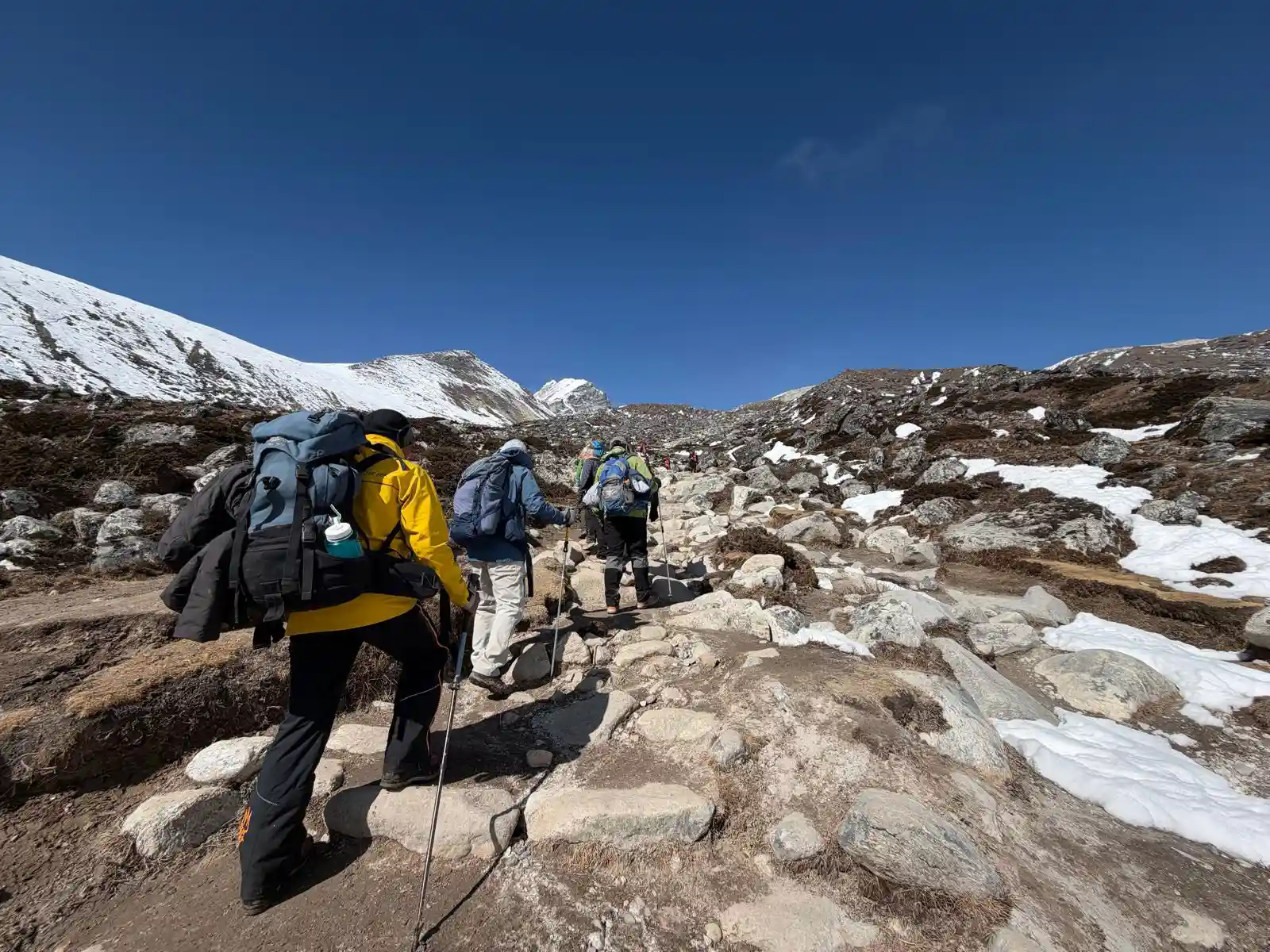
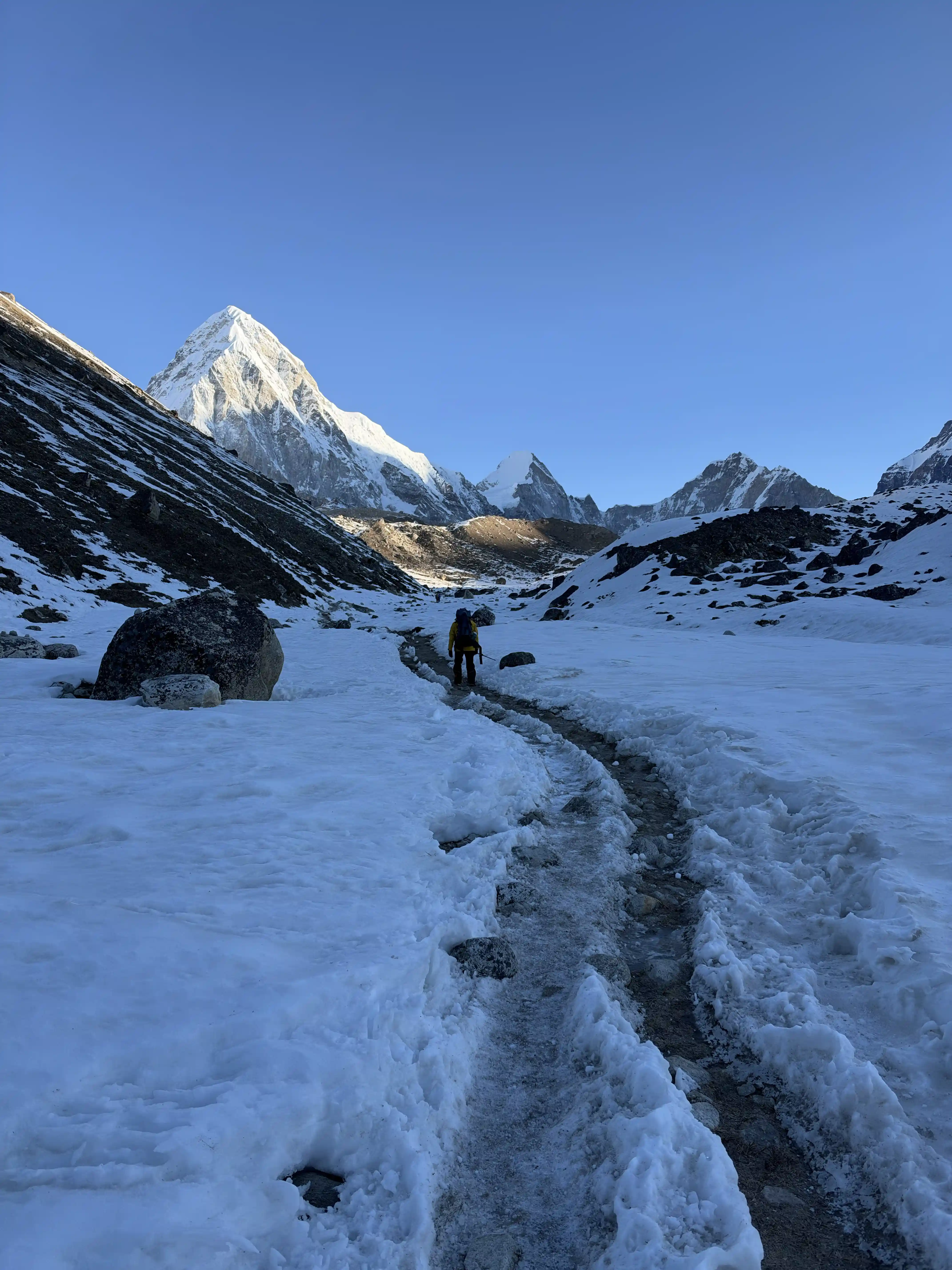
Before the climb to Lobuche, our expedition doctor gave us a briefing I'll never forget. He told us it would be one of the hardest days of the trek, with ice, wind and the coldest night yet. And then he said: "You don't have to follow anyone's pace. Just be on your own pace. Go slowly. You don't have to compete."
So I did exactly that. I stopped trying to keep up with the faster men, and walked at my own pace.
The climb took us over Thukla Pass, past the memorials to climbers who died in the Himalayas. It was a quiet, moving place. I thought about all the people who never come home from the mountains, and all the seafarers who never come home from sea.
We made it to Lobuche, at 4,900 metres, but I had a terrible headache for two nights running. The doctor found my oxygen levels very low, a sign of altitude sickness, and gave me a steroid injection to reduce the risk of fluid on the lungs or brain. He warned I might need to go down, perhaps by helicopter.
I begged Stuart to carry on without me. We'd done 90% of the journey, and honestly, I didn't care about Base Camp anymore. It had already been an incredible journey.
Base Camp
By the next morning, my headache had gone. The doctor stayed in the cabin next to ours and kept checking on me. My oxygen held, and so at 5am, in the freezing dark, we set off together for the final push.
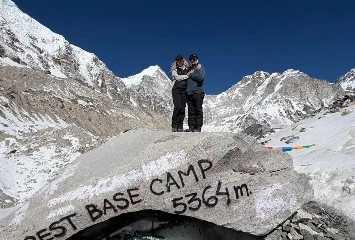
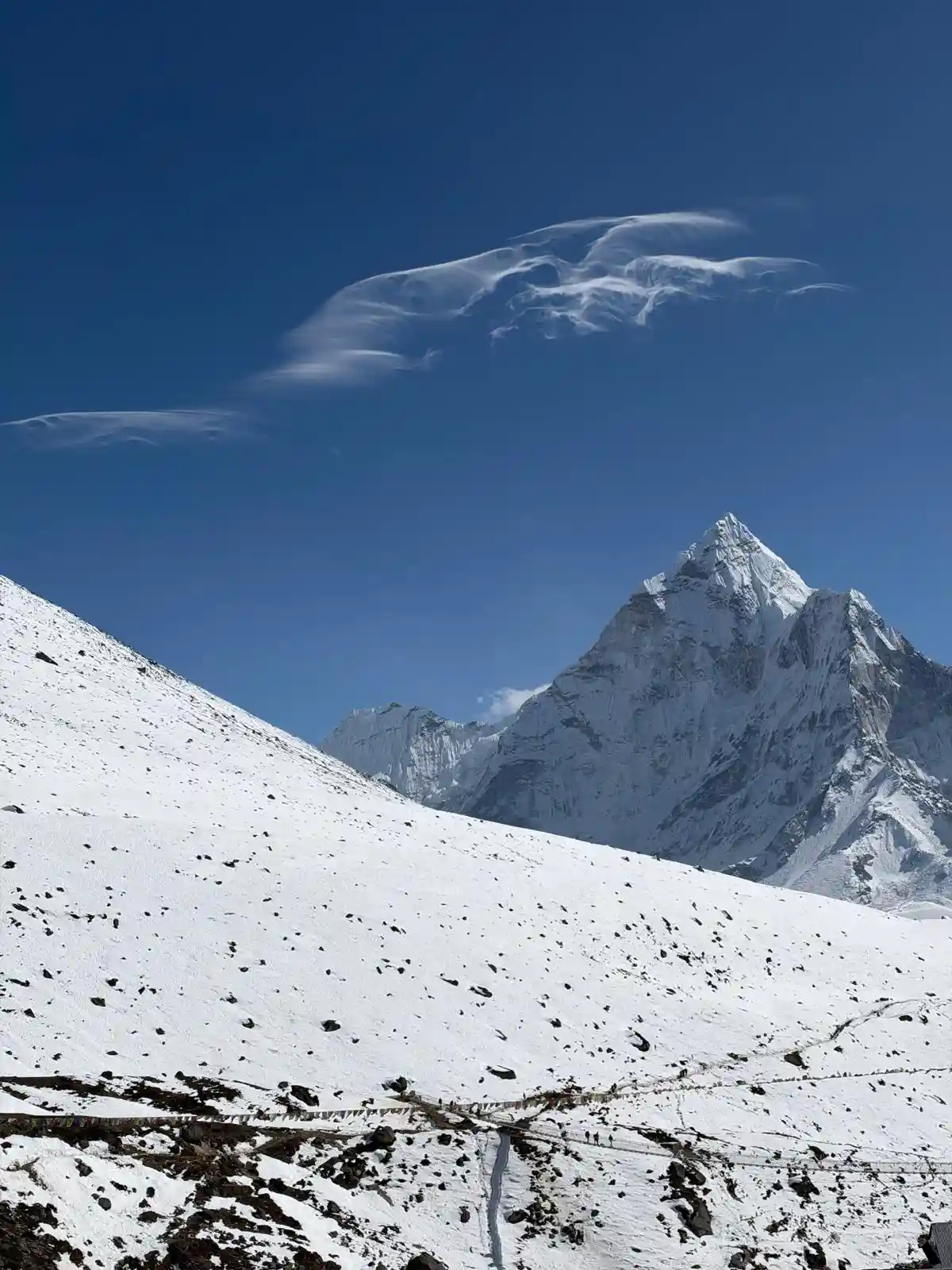
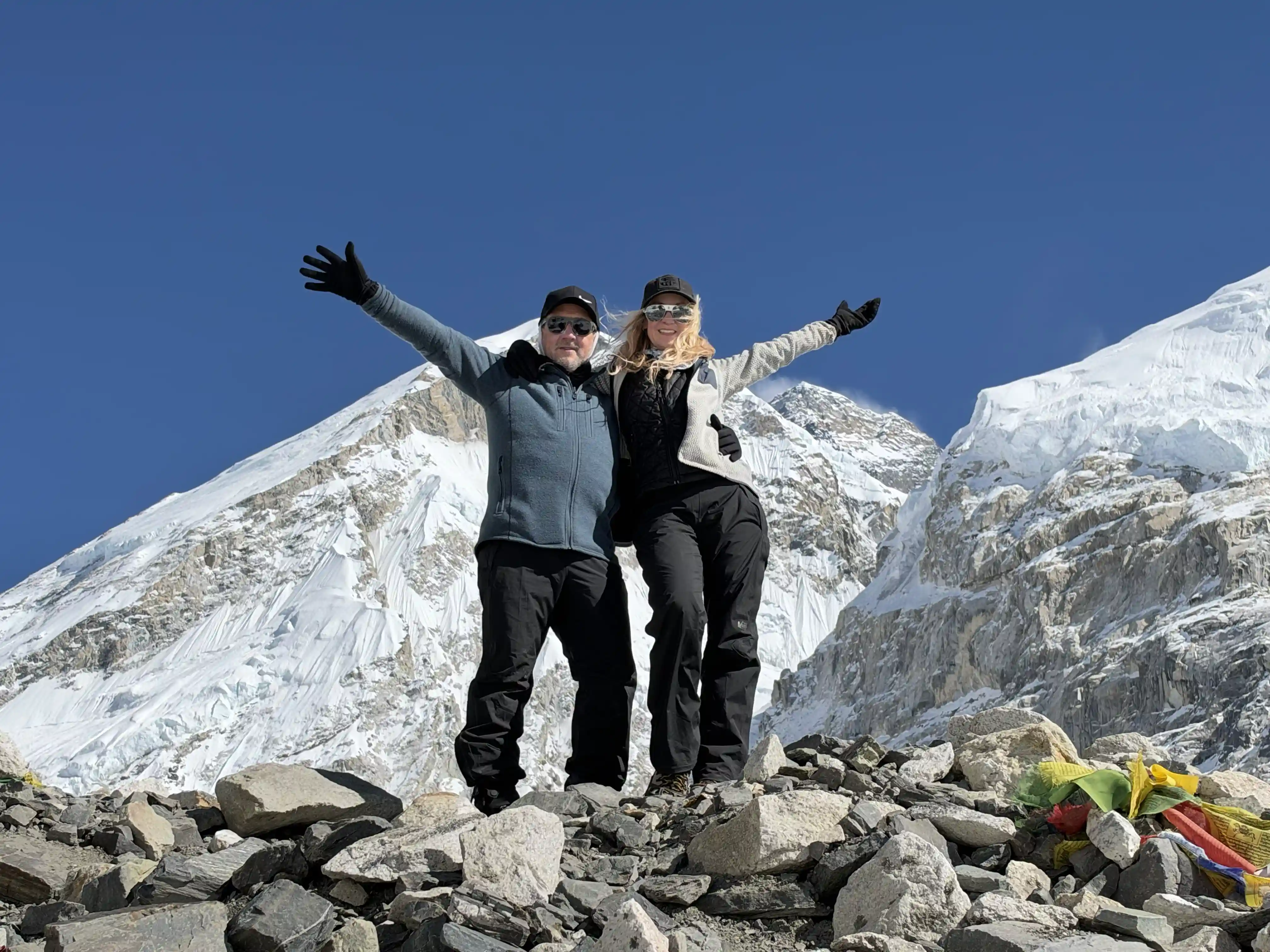
And we made it. Everest Base Camp, 5,364 metres. Standing on that rock with Stuart, with the glacier and the mountains all around us, is a moment I will never forget.
Afterwards my oxygen dropped to 56, which is not healthy, and the doctor recommended I fly back rather than walk for three more days. So Stuart and I flew down to Kathmandu, where we're waiting at the hotel to celebrate with the rest of the team as they walk out through the cold.
Thank you
None of this would have been possible without our Sherpa guide, Dawa, our doctor, the porters who carried so much for us, and the whole team, who looked out for each other every step of the way.
There is one thing I didn't manage. Because we flew past Namche, we never got that cup of coffee at Yakbuck. I suppose that means we'll just have to go back.
Thank you to everyone who has donated, sent messages, and cheered us on from home. Together you have helped raise over 11kof much needed funds for The Sailors’ Society 24/7 support of seafarers and their families.
If you'd still like to support Sailors' Society. https://www.justgiving.com/campaign/sailors-society-everest-shipmoney
Raelene and Stuart